
Air fryers have become one of the most popular kitchen appliances because they cook food quickly while using less oil than traditional frying methods. From crispy fries to juicy chicken wings, they’re incredibly versatile. However, many people still wonder about the safety of certain cookware and food containers. One of the most common questions is: Can you put plastic in an air fryer?
The short answer is no. In most cases, plastic should never be placed inside an air fryer. Unlike a microwave, an air fryer cooks food by circulating extremely hot air at high speeds. Depending on the recipe, temperatures typically range from 300°F to 400°F (150°C to 205°C), which is far too hot for most plastic containers.
Using plastic in an air fryer can cause it to melt, warp, or release unpleasant fumes. Melted plastic may stick to the basket or heating element, contaminate your food, and even damage your appliance. In some situations, it can also create a fire hazard.
Understanding plastic in air fryer safety is essential if you want to protect your health and keep your appliance working properly. Not every container that is labeled “microwave-safe” is designed to withstand the intense heat inside an air fryer, and confusing the two can lead to costly mistakes.
In this guide, you’ll learn why plastic is unsafe in most air fryers, what happens if it melts, whether any plastics are considered heat-safe, the best alternatives to use, and practical tips to cook safely every time.
Can You Put Plastic in an Air Fryer?
The simple answer is no—most plastic should never be placed inside an air fryer.
Air fryers cook differently from microwaves. Instead of heating food with electromagnetic waves, they use a powerful heating element and a high-speed fan to circulate very hot air around the food. This rapid airflow creates the crispy texture many people enjoy, but it also exposes cookware to temperatures that many plastics simply cannot handle.
Even if a plastic container looks sturdy, that doesn’t automatically make it suitable for air fryer use. Many food storage containers are designed for refrigeration, freezing, or microwave reheating—not prolonged exposure to the high temperatures generated inside an air fryer.
Another common misconception is that microwave-safe plastic is also air fryer safe plastic. These are not the same thing. Microwave-safe plastics are designed to tolerate microwave energy under specific conditions, whereas an air fryer exposes materials to direct, circulating heat that can quickly soften or deform many plastics.
Some specialty plastics are marketed as oven-safe, but these are relatively uncommon and should only be used if the manufacturer clearly states they are safe for the temperatures used in your air fryer. If there is any doubt, it’s always safer to choose cookware made from materials like stainless steel, ceramic, silicone, or oven-safe glass.
When it comes to plastic in air fryer safety, it’s better to be cautious. The small convenience of using a plastic container is never worth the risk of damaging your appliance, contaminating your food, or creating a potential safety hazard.
As a general rule, if the container doesn’t specifically say it is oven-safe and suitable for temperatures comparable to your air fryer, don’t use it. Instead, transfer your food to cookware designed for high-heat cooking.
Why Plastic Is Unsafe in an Air Fryer
Understanding plastic in air fryer safety starts with knowing how an air fryer works. Unlike a microwave, which heats food using electromagnetic waves, an air fryer relies on a powerful heating element and rapidly circulating hot air. This cooking method creates a dry, high-heat environment that most plastics simply aren’t designed to handle.
Even if a plastic container appears sturdy, it can quickly soften, warp, or melt when exposed to air fryer temperatures. Besides ruining the container, overheating plastic can affect your food, damage your appliance, and create unnecessary safety risks.
Here are the main reasons why plastic is not safe in an air fryer.
High Temperatures Can Melt Plastic
One of the biggest concerns is that plastic can melt when exposed to the intense heat inside an air fryer.
Most air fryers operate between 300°F and 400°F (150°C to 205°C), and some models can reach 450°F (232°C). Many common plastics aren’t designed to withstand these temperatures. Instead of staying firm, they may become soft, lose their shape, or melt completely.
For example, placing a regular food storage container in an air fryer for just a few minutes may cause the bottom to sag or the sides to warp. Thin plastic items, such as disposable takeaway containers or plastic lids, can melt even faster.
Once plastic begins to melt, it often sticks to the cooking basket, tray, or heating element, making cleanup difficult. In severe cases, the melted material may permanently damage the appliance.
Melted Plastic Can Contaminate Your Food
When plastic melts, it doesn’t just ruin the container—it can also contaminate your meal.
Softened or melted plastic may stick directly to food, leaving behind residue that’s difficult to remove. Even if only a small amount touches your meal, it’s safest to throw the food away rather than try to scrape it off.
Contaminated food may also develop an unpleasant chemical smell or taste, making it unsafe and unappetizing to eat.
If you ever notice melted plastic on your food after using an air fryer, don’t take the risk. Discard the food, clean the appliance thoroughly, and identify what caused the plastic to overheat before cooking again.
Overheated Plastic May Release Harmful Fumes
Another important part of air fryer plastic safety is understanding what happens when plastic overheats.
Some plastics can release irritating fumes or unpleasant odors when exposed to temperatures beyond their intended limits. Breathing these fumes isn’t something you want in your kitchen, especially in a small or poorly ventilated space.
If you accidentally melt plastic in your air fryer:
- Turn the appliance off immediately.
- Open windows or turn on your kitchen exhaust fan.
- Allow the air fryer to cool completely before cleaning it.
- Avoid using the appliance again until all melted plastic has been removed.
Keeping your kitchen well ventilated can help reduce lingering odors during cleanup.
Plastic Can Damage Your Air Fryer
Using the wrong materials doesn’t just affect your food—it can also shorten the lifespan of your air fryer.
Melted plastic can cling tightly to:
- The non-stick basket
- The cooking tray
- The crisper plate
- The heating element
Removing hardened plastic without scratching the non-stick coating can be difficult. If plastic reaches the heating element, repairs may be expensive, and in some cases, replacing the air fryer may be the only option.
Avoiding plastic altogether is a simple way to protect your investment and keep your appliance working efficiently.
Plastic Can Increase the Risk of Fire
Although it’s not the most common outcome, overheated plastic can create a fire hazard under certain conditions.
As plastic melts, it may drip or shift inside the basket. If it comes into direct contact with the heating element, it can begin to smoke heavily and may ignite in extreme cases.
The risk becomes even greater if the air fryer is left unattended while cooking.
To reduce the chance of accidents:
- Never place plastic containers, plastic wrap, or plastic bags inside an air fryer.
- Always use cookware designed for high temperatures.
- Stay nearby while your air fryer is operating.
- Follow the manufacturer’s instructions for safe cooking.
By following these simple precautions, you’ll improve plastic in air fryer safety and help ensure every cooking session is both safe and successful.
Are Any Plastic Containers Air Fryer Safe?
This is where many people get confused. You may own plastic containers labeled “microwave-safe” or “dishwasher-safe,” but that doesn’t automatically mean they’re safe to use in an air fryer.
Are Any Plastic Containers Air Fryer Safe?
After learning about the risks, you might be wondering whether any plastic containers are air fryer safe. The answer is only in very limited situations.
Most household plastic containers are not designed to withstand the high temperatures inside an air fryer. While there are a few specialty plastics made for oven use, they are uncommon and should only be used if the manufacturer specifically states they are safe for air fryer or oven temperatures.
When it comes to plastic in air fryer safety, never assume a container is safe simply because it looks durable or has survived the microwave. Always check the manufacturer’s instructions before using any plastic cookware in your air fryer.
Oven-Safe Plastic vs. Microwave-Safe Plastic
One of the biggest misconceptions is that microwave-safe and oven-safe mean the same thing. They do not.
A microwave-safe container is designed to handle microwave energy, which heats food differently than an air fryer. In a microwave, the container usually doesn’t get as hot as it would in an air fryer because the food absorbs much of the microwave energy.
An air fryer, however, surrounds the container with rapidly circulating hot air. This exposes every side of the container to high temperatures, increasing the risk of warping or melting.
Here’s a simple comparison:
| Label | Safe for Air Fryer? | Why |
|---|---|---|
| Microwave-safe | ❌ Usually No | Designed for microwave heating, not prolonged high heat. |
| Dishwasher-safe | ❌ No | Indicates cleaning durability, not cooking safety. |
| Freezer-safe | ❌ No | Suitable for cold temperatures only. |
| Oven-safe | ✅ Sometimes | Only if the temperature rating matches your air fryer and the manufacturer approves it. |
The key takeaway is simple: Don’t rely on the label unless it specifically states the container is oven-safe for the temperature you’ll be using.
Always Read the Manufacturer’s Instructions
The safest way to determine whether a container can go into an air fryer is to read the manufacturer’s instructions.
Before using any container, check for:
- An oven-safe label.
- The maximum temperature rating.
- Instructions stating it can be used in conventional ovens or air fryers.
- Any warnings against high-heat cooking.
If the packaging or user guide doesn’t clearly say it’s safe, it’s best not to use it.
When in doubt, transfer your food to a material that’s known to handle high temperatures safely, such as ceramic, stainless steel, silicone, or oven-safe glass.
Be Careful with Reusable Food Storage Containers
Many people try to reheat leftovers directly in reusable plastic food containers to save time and reduce dishes.
While this may be acceptable in some microwaves, it is not recommended in an air fryer.
Common brands of reusable food storage containers are generally intended for food storage and microwave reheating—not for exposure to circulating hot air at temperatures of 350°F or higher.
Even if the container doesn’t melt immediately, repeated exposure to high heat can weaken the plastic, causing it to warp, crack, or lose its original shape.
Don’t Use Disposable Plastic Containers
Disposable plastic containers should never be placed inside an air fryer.
This includes:
- Takeout containers
- Deli containers
- Bakery packaging
- Plastic salad bowls
- Plastic meal prep trays
- Disposable food storage containers
These products are made for storing or transporting food—not for cooking. Because they’re usually thinner than reusable containers, they can soften or melt very quickly in the intense heat of an air fryer.
If you’re reheating leftovers from a restaurant, always transfer the food to an air fryer-safe dish before cooking.
Common Plastic Items You Should Never Put in an Air Fryer
Knowing which plastic items to avoid can help prevent accidents and protect your appliance. Some plastics melt almost immediately, while others may release unpleasant fumes or damage the air fryer over time.
The table below highlights some of the most common plastic items people mistakenly put in an air fryer—and why they should be avoided.
| Plastic Item | Air Fryer Safe? | Why You Should Avoid It |
|---|---|---|
| Plastic food containers | ❌ No | Can warp or melt under high heat. |
| Plastic wrap | ❌ No | Melts quickly and can stick to the heating element. |
| Ziplock bags | ❌ No | Not designed for dry, high-temperature cooking. |
| Grocery bags | ❌ No | Serious melting and fire hazard. |
| Foam (Styrofoam) containers | ❌ No | Extremely heat-sensitive and unsafe. |
| Disposable takeaway containers | ❌ No | Can soften, deform, or release unwanted chemicals. |
| Plastic lids | ❌ No | Often thinner than containers and melt even faster. |
| Plastic utensils | ❌ No | May warp or melt, contaminating food. |
No matter how convenient it seems, plastic in an air fryer is almost always the wrong choice. Choosing cookware made from heat-resistant materials is a much safer and more reliable option.
Safe Alternatives to Plastic in an Air Fryer
The good news is that you don’t need plastic to cook or reheat food in your air fryer. There are several materials specifically designed to handle high temperatures while helping you cook safely and achieve great results.
Choosing the right cookware not only improves plastic in air fryer safety, but also protects your appliance and makes cleanup easier.
Here are some of the best alternatives to plastic.
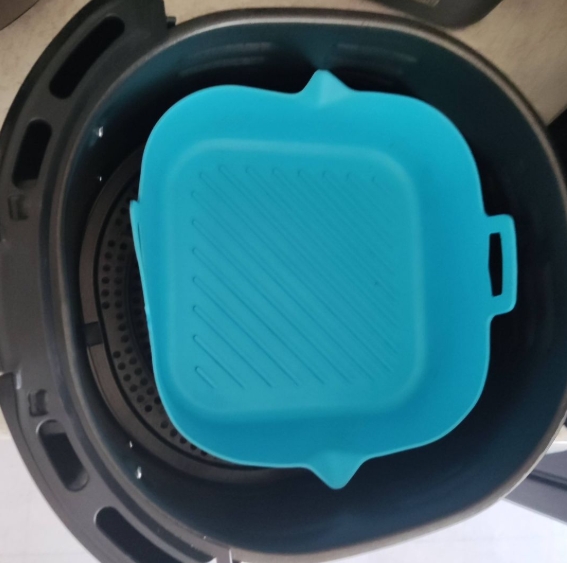
Silicone Liners
Silicone liners are one of the most popular air fryer accessories because they are flexible, reusable, and designed to withstand high cooking temperatures.
Food-grade silicone is generally heat-resistant and won’t melt under normal air fryer conditions when used according to the manufacturer’s instructions. Many silicone liners also feature raised ridges that allow hot air to circulate underneath the food, helping it cook more evenly.
Benefits of silicone liners include:
- Reusable and environmentally friendly
- Easy to clean
- Helps prevent food from sticking
- Protects the air fryer basket from grease buildup
- Available in different sizes and shapes
When buying a silicone liner, choose one made specifically for air fryers and confirm its maximum heat rating matches your cooking temperatures.
Parchment Paper
Parchment paper is another excellent option, especially for foods that tend to stick, such as fish, marinated chicken, or baked goods.
Air fryer parchment paper usually comes with small perforations that allow hot air to circulate more freely while still protecting the basket.
To use parchment paper safely:
- Place it in the basket only after adding food to weigh it down.
- Never preheat your air fryer with loose parchment paper inside.
- Use parchment paper that fits your basket without covering all the airflow holes.
Properly used parchment paper can make cleanup much easier without affecting cooking performance.
Aluminum Foil
Aluminum foil can also be used in many air fryers, but it should be used carefully.
Foil works well for:
- Wrapping certain foods
- Lining part of the basket
- Catching drips from marinated foods
- Cooking delicate ingredients
However, avoid completely covering the basket, as this can restrict airflow and reduce cooking efficiency.
You should also avoid using aluminum foil with highly acidic foods like tomatoes, lemons, or vinegar-based marinades for extended periods, as the acid can react with the foil.
Always check your air fryer’s manual before using foil, as some manufacturers provide specific recommendations.
Ceramic Bakeware
Ceramic dishes are another reliable choice for air fryer cooking.
High-quality, oven-safe ceramic can tolerate the temperatures generated by most air fryers without warping or releasing harmful substances.
Ceramic is ideal for:
- Small casseroles
- Baked pasta
- Brownies
- Bread pudding
- Individual desserts
- Reheating leftovers
Before placing ceramic inside your air fryer, make sure it’s labeled oven-safe and avoid using chipped or cracked dishes.
Oven-Safe Glass
Many people are surprised to learn that certain glass dishes can be used in an air fryer.
The key is choosing oven-safe tempered glass.
Tempered glass is designed to handle high cooking temperatures better than ordinary glass. It’s useful for reheating meals, baking small portions, or preparing recipes that require a deeper dish.
To prevent breakage:
- Avoid sudden temperature changes.
- Never place cold glass directly into a preheated air fryer.
- Inspect the dish for chips or cracks before each use.
If you’re unsure whether a glass container is oven-safe, don’t use it in the air fryer.
Stainless Steel Accessories
Stainless steel is one of the safest materials you can use in an air fryer.
Unlike plastic, stainless steel won’t melt, warp, or release harmful chemicals when exposed to high heat.
Many air fryer accessories are made from stainless steel, including:
- Baking pans
- Skewers
- Grill racks
- Toast racks
- Pizza pans
- Cake barrels
Because stainless steel is durable and easy to clean, it’s an excellent long-term investment for anyone who frequently uses an air fryer.
How to Tell If a Container Is Air Fryer Safe
Not every container is clearly labeled “air fryer safe,” so it’s important to know what to look for before placing any cookware inside your appliance.
Use this simple checklist every time you’re unsure.
✔ Look for an Oven-Safe Label
The easiest way to determine whether a container is suitable for an air fryer is to check if it’s labeled oven-safe.
If the packaging only says:
- Microwave-safe
- Dishwasher-safe
- Freezer-safe
that does not mean it’s safe for air fryer use.
✔ Check the Maximum Temperature Rating
Many oven-safe dishes list the highest temperature they can safely handle.
Compare that rating with your cooking temperature.
For example:
- If your recipe requires 400°F (205°C), your cookware should be rated for at least that temperature—or higher.
Never exceed the manufacturer’s recommended limit.
✔ Verify the Manufacturer’s Instructions
When in doubt, consult:
- The user manual
- The manufacturer’s website
- Product packaging
Some cookware is approved for conventional ovens but may have restrictions for convection or air fryer cooking.
Following the manufacturer’s guidance is the safest approach.
✔ Inspect the Container Before Each Use
Even heat-resistant materials can become unsafe if they’re damaged.
Avoid using containers that have:
- Cracks
- Chips
- Warped edges
- Peeling coatings
- Loose handles
Damaged cookware may fail during cooking and could affect both safety and food quality.
✔ Choose Materials Designed for High Heat
If you’re buying new cookware specifically for your air fryer, prioritize materials such as:
- Food-grade silicone
- Stainless steel
- Oven-safe ceramic
- Tempered glass
- Cast iron (if it fits your basket)
These materials are far more reliable than plastic for high-temperature cooking.
By following these simple guidelines, you’ll make better cookware choices and improve overall air fryer plastic safety, helping you cook confidently while protecting both your meals and your appliance.
What Happens If Plastic Accidentally Melts in Your Air Fryer?
Even experienced air fryer users can make mistakes. If you’ve accidentally placed plastic in your air fryer and it melted, don’t panic. The next section explains exactly what to do, how to clean your appliance safely, and when it may be time to replace damaged parts.
What Happens If Plastic Accidentally Melts in Your Air Fryer?
Accidentally putting plastic in an air fryer is more common than you might think. It can happen when reheating leftovers in a takeaway container, forgetting to remove plastic packaging, or using the wrong type of food storage container.
The good news is that a small mistake doesn’t always mean your air fryer is ruined. However, you should act quickly and carefully to prevent further damage and ensure it’s safe to use again.
Here’s what to do if you discover melted plastic in your air fryer.
Turn Off the Air Fryer Immediately
As soon as you notice plastic melting, switch off the air fryer and unplug it from the power outlet.
Continuing to cook can cause the plastic to melt further, spread throughout the basket, or stick to the heating element. It may also produce unpleasant odors or smoke.
Allow the appliance to cool naturally before touching any of its components.
Ventilate Your Kitchen
If the melted plastic has produced smoke or a strong chemical smell, open nearby windows and turn on your kitchen exhaust fan.
Fresh air helps remove lingering odors and improves ventilation while you clean the appliance.
Avoid standing directly over the air fryer while it is releasing fumes.
Let the Air Fryer Cool Completely
Never try to remove melted plastic while the basket or heating element is still hot.
Hot plastic can stick to your skin and cause burns. Waiting until the appliance has cooled makes cleaning much safer and helps prevent accidental damage to the non-stick coating.
Remove the Basket and Accessories
Take out all removable parts, including:
- Cooking basket
- Crisper plate
- Grill rack
- Silicone liner (if used)
- Other accessories
This allows you to inspect each piece individually for melted plastic.
Carefully Remove the Melted Plastic
If the plastic has hardened, gently lift it away using a wooden or silicone utensil.
Avoid using:
- Metal knives
- Steel wool
- Sharp scrapers
These can scratch the non-stick coating and permanently damage your air fryer basket.
If the plastic is difficult to remove, soaking the basket in warm, soapy water for 20 to 30 minutes may help loosen the residue.
Never force hardened plastic off with excessive pressure.
Wash the Basket Thoroughly
After removing the plastic, wash all removable parts with warm water, mild dish soap, and a soft sponge.
Pay close attention to areas where melted plastic may have collected.
If a lingering odor remains, you can wipe the basket with a solution of equal parts water and white vinegar before washing it again. Be sure to rinse thoroughly afterward.
Avoid harsh chemicals or abrasive cleaners, as they may damage the basket’s finish.
Inspect the Heating Element
Once the basket is clean, look inside the air fryer and inspect the heating element.
If you notice melted plastic attached to it:
- Do not scrape aggressively.
- Follow the cleaning instructions provided by the manufacturer.
- If you’re unable to remove the plastic safely, contact the manufacturer or an authorized repair service.
Using the air fryer with plastic stuck to the heating element may cause repeated smoke or unpleasant odors.
Test the Air Fryer Before Cooking Food
Before preparing another meal, run the empty air fryer for about 5 to 10 minutes at a moderate temperature.
Watch for:
- Smoke
- Burning smells
- Unusual noises
- Error messages
If everything appears normal and there are no unusual odors, your air fryer is likely safe to use again.
However, if smoke or strong chemical smells continue after thorough cleaning, stop using the appliance until you’ve identified and resolved the problem.
Materials You Can and Can’t Put in an Air Fryer
Choosing the right cookware is one of the easiest ways to improve plastic in air fryer safety. The table below provides a quick reference for common materials.
| Material | Air Fryer Safe? | Notes |
|---|---|---|
| Plastic | ❌ No | Most plastics can melt or warp. |
| Plastic Wrap | ❌ No | Melts quickly and may stick to the heating element. |
| Ziplock Bags | ❌ No | Not designed for high-heat cooking. |
| Foam (Styrofoam) | ❌ No | Can melt rapidly and release fumes. |
| Silicone | ✅ Yes | Use food-grade, heat-resistant silicone. |
| Parchment Paper | ✅ Yes | Use only when weighed down by food. |
| Aluminum Foil | ✅ Yes | Don’t block airflow or cover the entire basket. |
| Ceramic | ✅ Yes | Must be labeled oven-safe. |
| Tempered Glass | ✅ Yes | Use only oven-safe tempered glass. |
| Stainless Steel | ✅ Yes | Excellent choice for air fryer accessories. |
| Cast Iron | ✅ Yes | Suitable if it fits properly inside the basket. |
Air Fryer Safety Tips Everyone Should Know
Following a few simple habits can help you avoid accidents and extend the life of your air fryer.
Use Cookware Designed for High Heat
Always choose materials that are made for oven or air fryer cooking, such as stainless steel, ceramic, tempered glass, or food-grade silicone.
Never Use Unknown Plastic Containers
If a container isn’t clearly labeled as oven-safe, don’t risk using it.
When in doubt, transfer your food to an air fryer-safe dish.
Don’t Block Airflow
Air fryers rely on hot air circulating around the food.
Avoid covering the entire basket with foil, parchment paper, or oversized cookware, as this can reduce cooking performance and lead to uneven results.
Avoid Overcrowding the Basket
Leaving enough space between foods allows hot air to circulate properly, producing crisp and evenly cooked meals.
Overcrowding may also increase cooking times.
Clean Your Air Fryer Regularly
Grease and food residue can build up over time, causing smoke and unpleasant odors.
Cleaning your air fryer after every few uses keeps it performing at its best and reduces the risk of burning leftover food particles.
Read Your Owner’s Manual
Every air fryer model is slightly different.
Your owner’s manual provides important information about:
- Approved cookware
- Maximum temperatures
- Cleaning recommendations
- Safe cooking practices
Following these guidelines helps prevent accidental damage.
Never Leave Your Air Fryer Unattended
Although modern air fryers include several safety features, it’s still good practice to stay nearby while cooking.
This allows you to respond quickly if you notice smoke, unusual smells, or any other problems.
By making these habits part of your routine, you’ll enjoy safer cooking, better results, and a longer-lasting appliance.
Frequently Asked Questions
Can plastic melt in an air fryer?
Yes. Most plastics can melt when exposed to the high temperatures inside an air fryer. Since many air fryers cook between 300°F and 400°F (150°C to 205°C), regular plastic containers, lids, and packaging can quickly soften, warp, or melt. Besides damaging your appliance, melted plastic can contaminate your food and create unpleasant odors.
Can I put a plastic container in an air fryer?
No, you should avoid putting regular plastic containers in an air fryer.
Most food storage containers are designed for refrigeration or microwave reheating—not for the intense, circulating heat produced by an air fryer. Unless the manufacturer clearly states that the container is oven-safe and suitable for the temperatures you’re using, it’s best to transfer your food to an air fryer-safe dish.
Is microwave-safe plastic safe in an air fryer?
No. A microwave-safe label does not mean a container is safe for use in an air fryer.
Microwaves and air fryers use completely different cooking methods. Microwave-safe plastic is designed to withstand microwave energy, while an air fryer surrounds the container with hot, circulating air that can easily cause many plastics to warp or melt.
Can I put Tupperware in an air fryer?
In most cases, no.
Most Tupperware products are intended for food storage and microwave reheating rather than high-temperature cooking. Unless the specific product is labeled as oven-safe and approved for the temperatures used in an air fryer, you should not place it inside the appliance.
Always check the manufacturer’s instructions before using any reusable plastic container.
Can I use Ziplock bags in an air fryer?
No.
Ziplock bags and other plastic food storage bags are not designed for air fryer cooking. They can melt, deform, and contaminate your food.
If you’re reheating food that was stored in a plastic bag, transfer it to an oven-safe container before placing it in the air fryer.
Can I reheat takeaway food in its plastic container?
No.
Many takeaway containers are made from thin plastic that can warp or melt when exposed to high heat. Before reheating leftovers, move the food into an oven-safe ceramic dish, tempered glass container, or another air fryer-safe accessory.
Conclusion
Understanding plastic in air fryer safety is one of the easiest ways to avoid costly mistakes and keep your kitchen safe. While it may be tempting to reheat leftovers in their original container or use plastic food storage dishes for convenience, doing so can lead to melted plastic, contaminated food, unpleasant fumes, and even damage to your air fryer.
As a general rule, never put regular plastic in an air fryer unless the manufacturer specifically states that it is oven-safe and suitable for the temperatures your appliance reaches. Labels such as microwave-safe, dishwasher-safe, or freezer-safe should not be confused with air fryer compatibility.
Instead, choose heat-resistant materials like food-grade silicone, stainless steel, oven-safe ceramic, tempered glass, or properly used parchment paper. These alternatives are designed to handle the high temperatures of air frying and will help you cook safely while extending the life of your appliance.
Whenever you’re unsure about a container, check the manufacturer’s recommendations before using it. A few extra seconds spent verifying that your cookware is safe can prevent unnecessary damage and give you peace of mind every time you cook.
Key Takeaways
- Most plastic containers are not safe for use in an air fryer.
- Microwave-safe plastic is not the same as oven-safe plastic.
- Plastic wrap, Ziplock bags, takeaway containers, and foam containers should never go in an air fryer.
- If plastic accidentally melts, stop using the appliance immediately and clean it thoroughly after it has cooled.
- The safest alternatives include silicone, stainless steel, oven-safe ceramic, tempered glass, cast iron, and parchment paper.
- Always follow your air fryer’s user manual and the cookware manufacturer’s instructions for safe cooking.